




Magnesium Flakes vs Epsom Salt: Which Is Better for Your Bath?
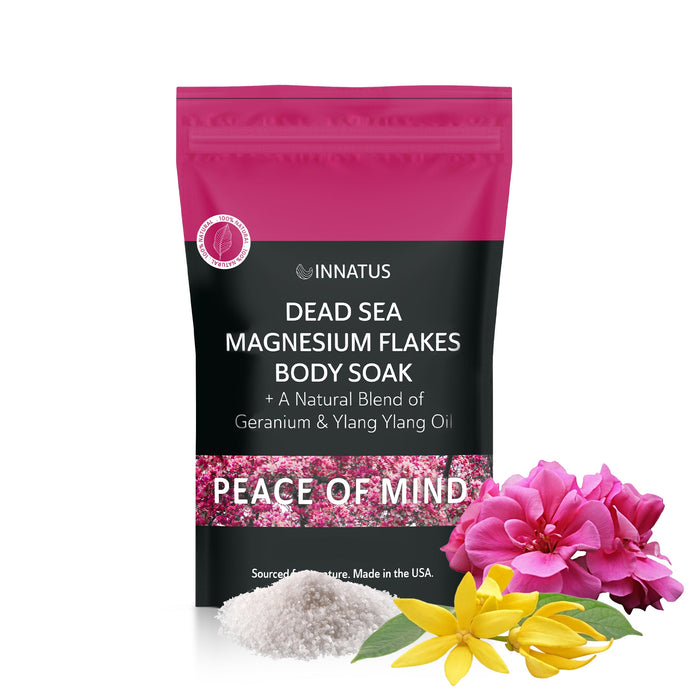
Standing in the bath aisle, two bags look almost the same: a big carton of Epsom salt and a smaller pouch of magnesium flakes. Both promise a relaxing magnesium soak, so which one belongs in your tub? If you've been searching magnesium flakes vs Epsom salt, here's a plain-English breakdown of how they differ, who each one suits, and how to get the most out of a soak. (Short version: if you want a silky, mineral-rich bath, start with our Pure Dead Sea Magnesium Flakes Restful Soak.)
Magnesium Flakes vs Epsom Salt: The Quick Answer
Both are magnesium salts, but they are different compounds:
- Epsom salt is magnesium sulfate. It's inexpensive, easy to find, and has been a bath-time staple for generations.
- Magnesium flakes are usually magnesium chloride. Dead Sea magnesium flakes are drawn from the mineral-rich waters of the Dead Sea, one of the saltiest bodies of water on Earth.
Many people who switch from Epsom salt to magnesium flakes say the bath water feels softer and silkier, and that their skin feels less dry afterward. Whether magnesium is meaningfully absorbed through the skin in either form is still debated, and the research so far is limited. What isn't debated: a warm, quiet soak may help you unwind, ease the feeling of tired muscles, and give you a real break at the end of the day.
How the Two Compare
Feel in the bath
Epsom salt crystals are coarse and can take a while to dissolve. Magnesium flakes dissolve quickly in warm water and leave a smooth, slightly slippery feel that many bathers love.
On your skin
Some people find Epsom salt baths leave their skin feeling tight. Magnesium chloride flakes are often described as gentler and more moisturizing to the touch. If you have dry winter skin, that difference may matter to you.
Source
Epsom salt is typically produced commercially or refined from mined minerals. Dead Sea magnesium flakes come from a natural mineral source, which is a big part of their appeal for people who prefer natural bath products.
Price
Epsom salt wins on price per pound. Magnesium flakes cost more, so they tend to be a "treat yourself" soak, and they make a far more giftable bath product than a drugstore carton.
What About Dead Sea Salt?
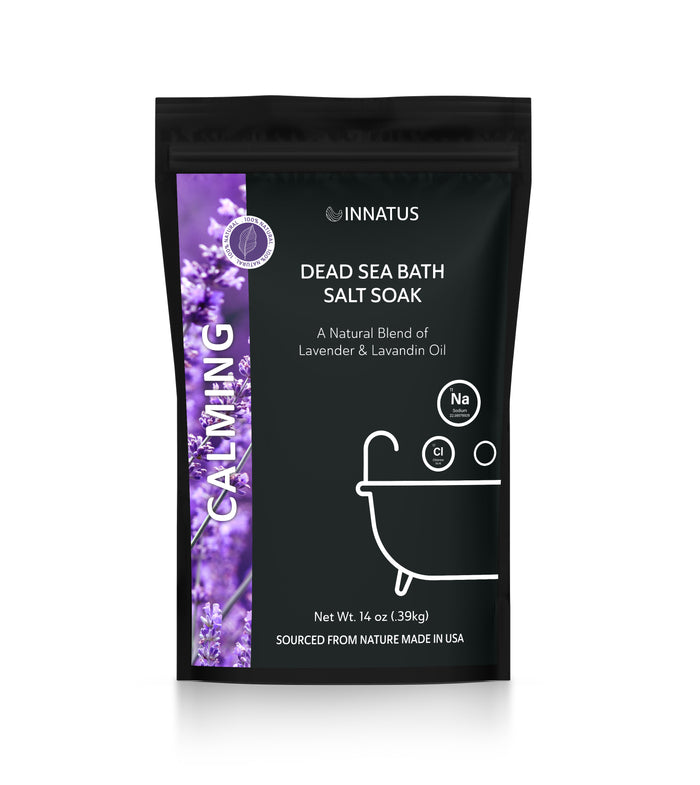
Dead Sea salt is a third option, and it's not the same as either one. Instead of a single magnesium compound, it's a natural blend of minerals, including magnesium, potassium, calcium, and sodium. Many Innatus bath salt soaks are made with 21 minerals and essential oils for a fragrant, spa-style soak. Try the Dead Sea Bath Soak with Lavender (4 oz) if you want an easy, low-cost way to find out what you like.
A good rule of thumb: reach for magnesium flakes when you want a pure, silky magnesium soak, and Dead Sea salt when you want a scented, mineral-rich bath ritual. Plenty of people keep both on the shelf.
Who Should Choose Magnesium Flakes?
- Active people and anyone on their feet all day. A warm magnesium soak after a workout or a long shift may help tired, tight muscles relax. Our Therapeutic Muscle & Joint Soak pairs Dead Sea magnesium flakes with lavender, chamomile extract, MSM, eucalyptus, and rosemary oil.
- Night-time bathers. If your bath is part of winding down for bed, the Restful soak is made for that slow, quiet hour.
- Dry-skin sufferers. Many people prefer the softer feel of magnesium chloride in the colder months.
- Curious first-timers. Not sure yet? The Pure Dead Sea Magnesium Flakes Renew Soak (4 oz) is a small, budget-friendly way to try flakes before you commit to a full-size bag.
How to Use Magnesium Flakes in the Bath
- Run a warm bath. Warm, not scalding, is more comfortable for a longer soak.
- Add the flakes. Sprinkle them in as the tub fills and stir with your hand to dissolve. Follow the amount on your pack.
- Soak for 20 to 30 minutes. Top up with hot water if it starts to cool.
- Rest afterward. Pat dry, wrap up in a towel or robe, and give yourself 15 minutes to relax before you jump back into your evening.
Magnesium flakes also work for a foot soak: dissolve a handful in a basin of warm water and soak for 15 to 20 minutes.
A Gift That Beats a Box of Epsom Salt
Holiday shopping season is here, and a magnesium soak is one of the easiest gifts to get right: almost everyone takes a bath or a foot soak, and nobody minds an excuse to slow down. The Holiday Gift Set with Bath Salt, Magnesium Flakes, Magnesium Oil & Geranium Lavender Oil bundles flakes, Dead Sea bath salt, and magnesium oil in one ready-to-give set.
This week only: take 20% off one-time purchases with code BFCM26, now through Cyber Monday, November 30.
FAQ: Magnesium Flakes vs Epsom Salt
Are magnesium flakes better than Epsom salt?
Neither is "better" for everyone. Epsom salt is cheaper and widely available. Magnesium flakes dissolve faster and many people prefer how they feel on the skin. If you've only ever used Epsom salt, magnesium flakes are worth a try.
Can I use magnesium flakes and Epsom salt together?
Yes, you can combine them in the same bath. Many people simply alternate, using Epsom salt for everyday soaks and magnesium flakes when they want something more luxurious.
How often can you take a magnesium flakes bath?
Many people enjoy a magnesium soak two or three times a week. Follow the directions on your product, and if you are pregnant, have a medical condition, or have broken or irritated skin, check with your doctor first.
Is Dead Sea salt the same as magnesium flakes?
No. Dead Sea salt is a natural blend of many minerals, while magnesium flakes are mostly magnesium chloride. Both come from the Dead Sea, and both make a relaxing bath.
Shop the Magnesium Soak Collection
Ready to upgrade your bath? Shop the soaks: start with the Restful Magnesium Flakes Soak, try the 4 oz Renew Soak, recover with the Muscle & Joint Soak, or give the Holiday Magnesium Gift Set. Use code BFCM26 for 20% off one-time purchases through November 30.